
Taking care of plants makes any environment more beautiful and peaceful. It also improves our well-being. With the right tips, you can have a space full of life and... healthy plants.
Seek App
In this article, we'll talk about how to take good care of your plants. We'll cover everything from choosing the right species to keeping them beautiful. Join us to learn the best practices! gardening and help your plants grow happily.
Choosing the Right Plant
Finding the ideal plant is essential for successful cultivation. It's important to consider factors such as light, humidity, and temperature. Each plant has its own needs. For example, some thrive in bright light, while others grow well in the shade.
iNaturalist
Factors to consider
Think carefully about these points before choosing:
- Light requirements: Some need direct sunlight, others prefer shade.
- Humidity: There are plants that tolerate drought and others that need a lot of moisture.
- Temperature: Knowing the temperature each plant prefers helps in its... growth.
Types of plants for different environments
There is a wide variety of plants for every type of environment. Here are some good choices:
- SansevieriaGood for low-light areas, easy to care for.
- Peace lilyIt thrives in indoor environments with moderate light and helps purify the air.
- Cacti and succulentsIdeal for those who want plants that need little water and are easy to maintain.
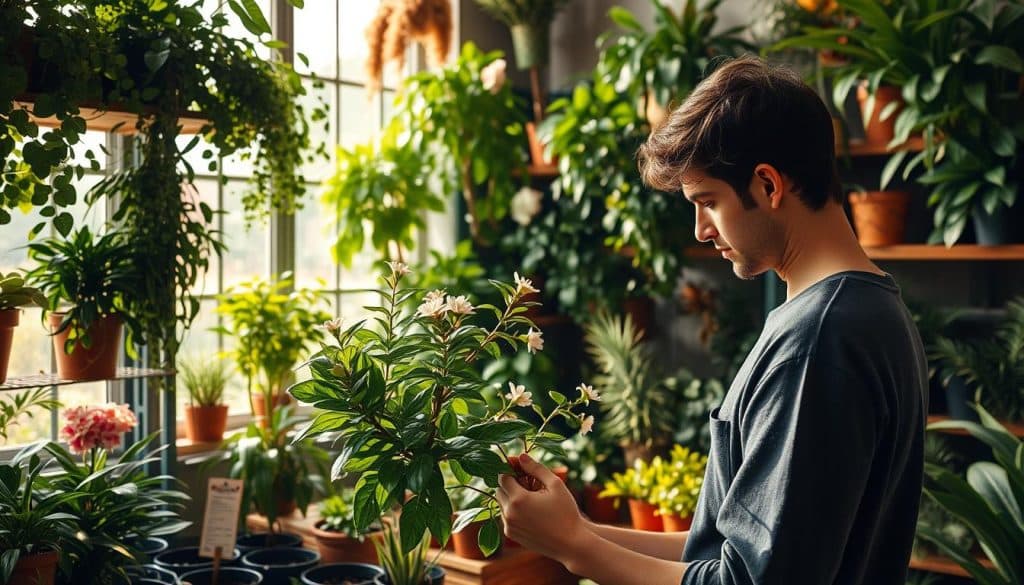
Choosing the Right Location
The place where you put your plant is very important for it to grow well. The environment directly affects its health and growth. One of the most important factors is sunlight. sunlight It is vital for photosynthesis, which helps the plant produce nutrients. So, choose a place with the sunlight Proper care is essential for successful cultivation.
The importance of sunlight
THE sunlight It not only aids in photosynthesis but also in flowering and plant growth. It's crucial to know how much light a plant needs. Some plants thrive in the shade, while others require direct sunlight for hours. Knowing these needs helps in choosing the best place for the plant to grow strong.
Climate and temperature
O climate Temperature is also very important. Each plant has its own preference for how warm or humid the environment should be. Warm, sheltered places are generally better. It's good to be aware of temperatures at different times of the year. This way, you can choose a place that meets the plant's needs, making the environment healthier and more productive.
Soil and Fertilization
Cultivate healthy plants It starts with choosing good soil. Its quality affects the roots and how plants absorb nutrients. nutrients. Analyzing the soil is crucial to identify what is lacking or in excess, ensuring full development.
Soil analysis
This analysis reveals the chemical composition, structure, and pH of the soil. These aspects are important for understanding how the soil retains water and nutrients. Sending a sample to a specialized laboratory helps to discover what needs to be adjusted, such as adding lime or organic matter.
Types of substrates
There are various substrates on the market, each ideal for different types of plants. Succulent plants, for example, prefer sandy substrates that help in... drainage. Other plants, which need more moisture, do better with mixtures of peat and plant fibers.
Regular fertilization
Fertilization should be done regularly to provide the necessary nutrients throughout the plant's life. Opt for organic fertilizers; they are better for soil health and reduce the negative impacts of chemicals.
Watering: A Fundamental Habit
Watering is crucial for the well-being of plants. It's necessary to adjust the frequency and technique of watering to keep the soil moist. Knowing how much water your plant needs and how to... climate Influence is essential.
Watering frequency
The amount of water varies depending on the plant and the weather. Cacti need less water than ferns. Check the soil moisture regularly. If it's dry up to two centimeters, it's time to water.
Irrigation techniques
Using the right watering technique makes a difference to the plant's health. It's important to water without soaking the soil. Methods like drip irrigation and infiltration hoses are efficient. Watering in the early morning or late afternoon helps with water absorption.
Sunlight and its Needs
Sunlight is essential for plants to do... photosynthesis. This helps with their healthy growth. Each type of plant has its own light requirements. Understanding this helps create the best place for them to grow.
Light variability
Different amounts of sunlight affect the plant health. Some plants need a lot of light, while others thrive in the shade. Observing how plants react to light helps you adjust their environment.
Time of day and light intensity
The time of day plants receive light makes a difference. Morning light is good for them, but strong afternoon light can be too much, especially if it's very hot. It's important to check how the light changes throughout the day to help plants stay healthy.
Plant Maintenance and Pruning
THE plant maintenance It's essential. We need to prune plants regularly. This not only makes them look beautiful, but also keeps them healthy by removing damaged parts. This encourages strong growth.
Importance of regular pruning
THE pruning It's more than just making the plant look pretty. It's essential for its health. It prevents illnesses and pests. A good pruning makes plants grow stronger and full of life.
Cleaning the leaves
Keeping the leaves clean is very important. If they are dirty, the plant cannot photosynthesize properly. This is essential for its health. So, keeping the leaves clean helps the plant grow well.
Pest and Disease Control
Pest control and illnesses It's super important to maintain the healthy plants. Finding problems early helps prevent greater damage. Therefore, it's good to keep an eye out for signs such as spots on the leaves, unusual growth, and insects buzzing around.
Early identification of problems
It is vital to identify pests and illnesses. Perform regular inspections of your plants. Check if they have:
- Spots or wilted leaves;
- Mold or fungi appearing;
- Visible insects attacking.
Prevention and natural control
Prevention is better than cure. Techniques like relocating plants help prevent pests and keep plants strong. To control pests without chemicals, consider using:
- Natural insecticides;
- Traps and repellents that do not harm the environment;
- Remove diseased parts from the plants.
Use of Appropriate Pots
Choosing the right pot is crucial for healthy plants. Pots do much more than just hold the plant. They impact... growth. THE drainage and the type of vase material These are important points. They help the roots develop well and create a good place for the plant to grow.
The importance of proper drainage.
One essential point is that drainage. Pots with drainage holes are essential to prevent stagnant water. This can cause root rot. Efficient drainage ensures that the environment is well-ventilated. This is good for the roots to breathe and grow properly. When choosing a pot, it's important to check if it has holes for the water to drain.
Choosing the material for the vase
O vase material It's very important. There are ceramic, plastic, and clay pots, each with its own characteristics. Ceramic and clay pots are better for plants that need less moisture. They are heavy and allow water to evaporate well. Plastic pots are lightweight and keep the soil moist for longer, good for plants that like humidity. Choosing the right pot material makes a difference to the health and beauty of your plants.
Adaptation to the Environment
Adaptation is essential for plants to grow well. The seasons change, and with them, the needs of the plants. They may need more water or light. Sometimes, it is necessary to move them to a different location or even change the soil.
Seasonal changes
When the seasons change, plants are affected. In spring and summer, they grow more. This may require repotting into larger pots so that the roots have room to grow without limitations.
Transplanting and replanting
Transplanting and repotting are important for the plant to adapt. Carefully check the roots and the soil. Choose a pot of the right size when transplanting. Sometimes the soil becomes poor and the plant needs a new place to continue growing.
Be mindful of the space available for the plant.
The right space is crucial for a good garden. Having enough space helps plants grow and creates beauty. Choosing plants that need similar light and water makes everything better.
Compatibility with other plants
When planning a garden, the compatibility That's key. Similar plants thrive together, without competing for water or light. This ensures they all grow healthy without disturbing their neighbors. See tips for making compatible choices:
- Research the light and humidity requirements of each plant.
- Choose varieties that have compatible final sizes, avoiding overcrowding.
- Combine species that benefit each other, such as companion planting.
Adequate space for growth
Each plant has its own space requirements. Planting correctly ensures strong roots and beautiful leaves. Without enough space, the plants become weak. To avoid this, do the following:
- Measure the available space in your environment before planting.
- Respect the recommended distance between plants.
- Reassess the arrangement if the plants begin to compete for light and nutrients.
Conclusion
Caring for plants goes beyond a hobby; it requires attention and effort. It brings beauty and peace to our homes. The tips in this text show you how to choose the right plants, locations, and care. This way, your space will be green and healthy.
Whether you're a beginner or already have experience, understanding the plant care It's crucial. These tips not only make cultivation easier, but also strengthen our connection with nature. They promote a greener and happier way of life.
By following these tips, you'll be on your way to having a beautiful garden. Regularly caring for your plants and watching them grow will transform you into a true nature lover. And in doing so, you'll reap the rewards of your work: a more beautiful and harmonious space.
FAQ
How do I choose the right plant for my environment?
First, consider how much light your space receives. Plants like snake plant and peace lily do well in less illuminated locations. Think about how much time you can dedicate to caring for them and whether the space is suitable for the size they will reach.
How often should I water my plants?
This varies depending on the plant and the weather. Water more on hot days, in the morning or late afternoon. Before watering again, check if the soil has dried out.
How can I ensure that my soil is suitable for plants?
Analyze the soil to understand its characteristics. Use the right substrate for each plant. Fertilize frequently using organic fertilizer to properly nourish your plants.
How important is sunlight for plant growth?
Sunlight is vital for photosynthesis, producing plant food. Each species needs a specific amount of light. Generally, morning light is better than afternoon light.
What should I do to keep my plants healthy?
Take care of them regularly. Remove damaged leaves and clean them to prevent dust accumulation. This helps with photosynthesis and prevents disease.
How can I control pests and diseases in my plants?
Quickly check for anything wrong, such as spots or unusual growth. Use natural methods to combat and prevent problems. Crop rotation is a good practice.
Why is the choice of pot important for plants?
Pots with drainage prevent excess water. Choose the vase material Thinking about the plant. Also think about its beauty, to make the place more beautiful.
How do seasonal changes affect plant care?
With the changing seasons, you may need to adjust your care routine. As the roots grow, you may need to repot them into a larger pot so they have room to expand.
What should you consider regarding the space available for plants?
Choose plants that fit your space and thrive in the available light and water. A good arrangement makes everything look more beautiful and healthy, without feeling cramped.
Content created with Artificial Intelligence Assistance